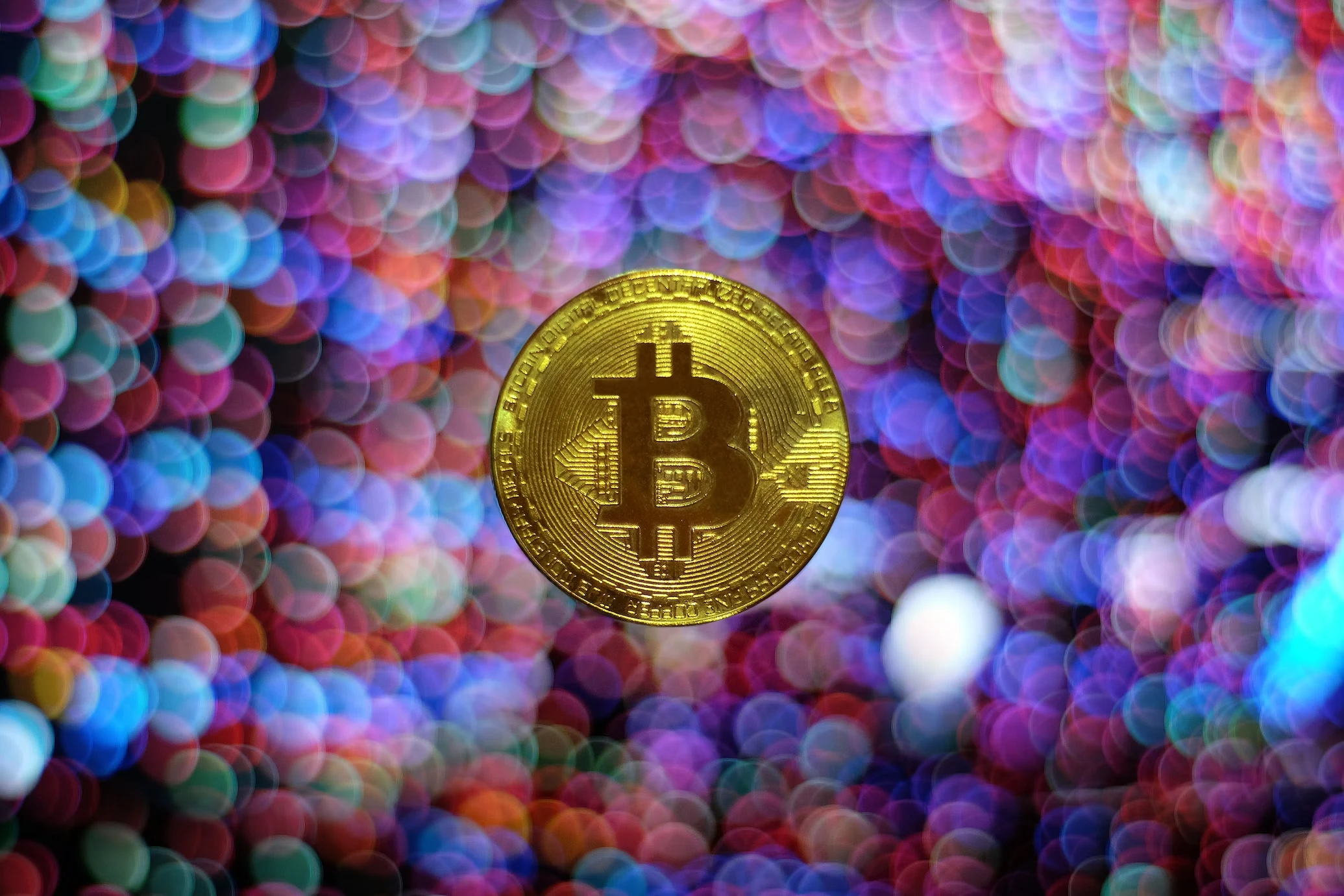
Blockchain Evolution: Transforming Global Finance and Digital Assets

2025-11-05 6 minute(s)

This website uses cookies
We use Cookies to ensure better performance, recognize your repeat visits and preferences, as well as to measure the effectiveness of campaigns and analyze traffic. For these reasons, we may share your site usage data with our analytics partners. Please, view our Cookie Policy to learn more about Cookies. By clicking «Allow all cookies», you consent to the use of ALL Cookies unless you disable them at any time.
In recent years, the financial world has witnessed a paradigm shift largely fueled by blockchain technology. This transformation, often described as a significant evolution in global finance, signifies not only a technological breakthrough but also a reordering of established economic models. Blockchain finance transformation has led institutions, startups, and individual investors to rethink asset management, payment infrastructures, and data security. As digital assets continue to gain traction, the integration of blockchain presents opportunities and challenges alike. The adoption of blockchain technology has ushered in a new era characterized by transparency, speed, and decentralization. With traditional financial systems under pressure to evolve, blockchain is emerging as a cornerstone of innovation.
The term 'Blockchain Finance Transformation' is more than a buzzword; it encapsulates an ongoing movement towards greater efficiency, accountability, and democratization in financial practices. Industry leaders continue to experiment with blockchain to create smart contracts, streamline cross-border payments, and enhance trust through immutable records. Moreover, the rise of digital assets has accelerated innovation in how value is stored and transferred in a digital era. Throughout this comprehensive exploration, we will detail concrete examples, underscore the significance of innovation, and highlight how various stakeholders are contributing to this revolution. With each passing day, the reshaping of financial paradigms seems more imminent, and the integration of blockchain promises to remold the landscape of global economics.
The roots of blockchain technology can be traced back to the late 20th century. Initially conceived as a digital ledger for financial transactions, blockchain has evolved into a multi-faceted technology that supports a myriad of applications. The journey began with the creation of Bitcoin, the first decentralized digital currency, which introduced the concept of distributed ledger technology. Over time, other cryptocurrencies emerged, and the applications of blockchain broadened from simple peer-to-peer transactions to complex smart contracts and decentralized applications (dApps).
During the early stages, innovators and technologists focused on security, decentralization, and the elimination of intermediaries. Notably, blockchain provided an answer to the trust issues prevalent in traditional centralized systems by ensuring that every transaction is recorded on an immutable ledger. As blockchain finance transformation rapidly progressed, it attracted the attention of financial institutions worldwide. These institutions, fascinated by the transparent and verifiable nature of blockchain, began to explore its vast potential. Today, blockchain no longer remains confined to cryptocurrencies; its adoption spans across supply chain management, healthcare, digital identity, and even voting systems.
The launch of Bitcoin in 2009 marked a seminal moment in financial history. Its introduction not only challenged conventional monetary policies but also provided a blueprint for decentralized systems. Early adopters were attracted by the promises of lower transaction costs, enhanced transparency, and the elimination of intermediaries. This period of intense innovation laid the groundwork for multifarious developments in blockchain technology. As blockchain matured, it evolved from a niche solution for digital currency to a robust platform that could support various financial instruments and digital assets.
Blockchain innovation started with the creation of new consensus algorithms and the development of more efficient ways to handle scaling issues. Developers and researchers experimented with Proof of Work (PoW) and its alternatives, including Proof of Stake (PoS) and Delegated Proof of Stake (DPoS), all aiming to optimize energy consumption and increase transaction throughput. These technical improvements have been crucial in empowering the blockchain finance transformation, enabling higher security, faster confirmation times, and greater scalability.
In addition to technical innovations, early challenges such as regulatory uncertainty and market skepticism provided valuable lessons. Entrepreneurs and regulators alike learned the importance of balancing innovation with compliance. Over time, this balance fostered a collaborative environment where fintech startups, legacy banks, and tech giants began to explore consortia and partnerships, laying the foundation for the modern blockchain era.
The influence of blockchain is now permeating every facet of global finance. As financial institutions seek to modernize their infrastructures, blockchain stands out as a transformative tool. Blockchain finance transformation is evident in multiple areas, including cross-border payments, asset management, and capital markets. With lower transaction fees and enhanced security, blockchain has begun to rival traditional financial systems. This transformation has led central banks and governments to investigate digital currencies, exploring the benefits of reducing reliance on cash and increasing financial inclusion.
One of the most compelling impacts of blockchain lies in its ability to facilitate secure, seamless cross-border transactions. In the past, these transactions involved multiple intermediaries, which increased both cost and processing time. Blockchain streamlines this process by removing redundant steps and ensuring that each transaction is verifiable and nearly instantaneous. Consequently, businesses and consumers enjoy improved transparency and reduced operational costs. Moreover, by lowering transfer fees and enabling near real-time settlement, blockchain is reshaping how global commerce functions.
Traditional finance has long been synonymous with centralized control. However, through blockchain finance transformation, decentralization is quickly reshaping this landscape. By dispersing the authority away from singular entities, blockchain supports a more transparent and democratic financial system. For example, decentralized finance (DeFi) platforms allow users to borrow, lend, and invest without the need for conventional banking intermediaries. This not only democratizes financial access but also spurs economic participation from previously underserved communities.
The increased adoption of smart contracts further illustrates this transformation. These self-executing contracts automatically enforce the terms of an agreement, reducing the need for arbitration and administrative oversight. As a result, trust issues that once required legal mediation are increasingly solved by code, enabling smoother and more efficient financial transactions. Such innovations are fundamentally changing how financial products and services are delivered on a global scale.
Furthermore, blockchain-based payment systems are attracting significant interest from central banks. Some nations are already experimenting with central bank digital currencies (CBDCs), prototypes that promise enhanced security and reduced costs in financial transactions. These initiatives are a testament to how blockchain finance transformation is opening new avenues for innovation, ensuring that the future of global finance is both secure and accessible.
While blockchain is celebrated for its technological prowess, its broader economic implications are equally notable. Enhanced transparency, elimination of intermediaries, and seamless integration across platforms are just a few factors propelling the rise of blockchain in finance. As large-scale pilots and real-world applications continue to emerge, it is evident that blockchain is more than a transient trend. It is a core component in the evolution of finance, poised to forever redefine industry norms. With every new development, the global finance community moves one step closer to a fully decentralized, secure, and agile fiscal future.
Digital assets represent one of the most exciting transformations driven by blockchain technology. Beyond traditional cryptocurrencies, digital assets now encompass a range of tokenized instruments such as security tokens, utility tokens, and non-fungible tokens (NFTs). This diversification has broad implications for how value is created, stored, and exchanged in the digital economy. The blockchain finance transformation has made it possible for investors to gain exposure to a variety of assets that were once illiquid or inaccessible.
The tokenization process allows physical assets like real estate, commodities, and even art to be represented digitally on the blockchain, thereby enhancing liquidity and simplifying ownership transfer. Investors can now buy and sell fractions of these assets, democratizing access to markets that were once the exclusive domain of the wealthy. This new modality of asset ownership not only increases market efficiency but also introduces novel investment opportunities that can cater to a diversified portfolio.
Digital tokens have enabled the creation of a vibrant ecosystem that fosters economic innovation. The token economy relies on secure, immutable records to track ownership and transfer of assets. Moreover, smart contracts provide an automated, transparent mechanism for executing terms between parties, which minimizes the likelihood for disputes and fraud. These factors collectively encourage investors to explore new avenues of value generation and risk management.
For instance, decentralized exchanges (DEXs) operate without intermediaries, using smart contracts to match buyers and sellers directly. Such platforms are gaining traction as they offer lower fees, greater privacy, and increased control over personal assets. As blockchain finance transformation continues to influence global markets, these digital tokens will likely become more integrated into everyday financial transactions.
Furthermore, digital assets have spurred the growth of innovative business models. Initial Coin Offerings (ICOs) and Security Token Offerings (STOs) provide startups with alternative funding channels, bypassing traditional venture capital routes. As regulatory frameworks mature, these models are expected to solidify their position within the broader financial landscape. This evolving financial ecosystem offers a glimpse into a future where digital assets play a central role in global finance and asset management.
While the advantages of blockchain finance transformation are abundant, the journey is not without its challenges. Scalability, interoperability, energy consumption, and regulatory uncertainties remain significant obstacles. Often, the rapid pace of innovation outstrips the capacity of current regulatory frameworks, leaving gaps that can lead to abuse or misinterpretation. However, these challenges also present opportunities for growth and improvement.
One notable challenge is scalability. Many blockchain platforms were initially designed for relatively low-volume transactions. As usage increases, issues such as network congestion and longer transaction times emerge. Innovators are now actively working on solutions such as layer-two scaling protocols and sharding to address these problems. These technological advancements are crucial for ensuring that the system can handle increases in demand while maintaining security and speed.
Interoperability is another major hurdle that the blockchain community is striving to overcome. Numerous blockchain platforms now operate in silos, making it difficult for them to communicate and exchange data efficiently. Efforts are underway to create standardized protocols that promote interoperability, ensuring that diverse systems can seamlessly integrate. Success in this arena is expected to further catalyze blockchain finance transformation and expand its applicability across various sectors.
Another important aspect is energy consumption. Early blockchain platforms, particularly those reliant on Proof of Work, have been criticized for their significant energy usage. In response, the industry has seen a marked shift toward more sustainable consensus mechanisms such as Proof of Stake. These advancements not only minimize environmental impact but also improve the efficiency of the networks involved. The balancing act between maintaining security and achieving sustainability is central to the future development of blockchain technology.
In addition to technical challenges, regulatory oversight remains a contentious issue. Governments and international bodies are actively developing frameworks to oversee blockchain operations while still promoting innovation. Transparent regulations that recognize the nuances of digital assets are essential in ensuring that the market matures responsibly. Although the path to harmonized regulation is complex, clear guidelines will eventually facilitate a smoother transition for global finance into a decentralized future.
The transformative power of blockchain has not gone unnoticed by regulators around the globe. As countries grapple with the implications of blockchain finance transformation, there is an increasing push to create balanced regulatory frameworks that encourage innovation while ensuring consumer protection. Regulatory bodies are faced with the dual challenge of fostering technological advances and mitigating risks linked to fraud, money laundering, and market instability.
Several nations have taken pioneering steps by establishing sandbox environments, which allow blockchain startups to test their innovations in controlled conditions. These initiatives aim to strike the right balance between regulation and growth, ensuring that innovation in digital asset management and decentralized finance can flourish without compromising system integrity. Coordinated international efforts and cross-border dialogues are also gaining momentum, paving the way for more uniform standards and practices.
Collaborative efforts between government agencies, industry experts, and regulatory bodies are fundamental in shaping a robust framework for blockchain. Best practices emerge from regions where technology-friendly regulations have not stifled innovation but rather supported responsible expansion. In parallel, established financial institutions are also adapting, as they recognize that embracing change is essential for continued competitiveness in a rapidly evolving landscape. Legislative clarity is starting to emerge, which in turn invites increased institutional investment and broader public acceptance of digital assets.
While regulatory convergence is still a work in progress, the consensus is clear: effective governance will be pivotal in balancing the dynamic potential of blockchain finance transformation with sound risk management practices. As regulators and innovators work side-by-side, the goal remains to create an environment where transparency, efficiency, and security are the cornerstones of the financial system.
Looking ahead, the trajectory of blockchain finance transformation appears poised for further acceleration. Emerging trends suggest deeper integration of blockchain across not only finance but also sectors such as healthcare, supply chain management, and digital identity. Among these, technological convergence stands out as a key driver – the fusion of blockchain with artificial intelligence, Internet of Things (IoT), and quantum computing could redefine security protocols and operational efficiencies.
In the financial arena, the future is likely to see even greater adoption of decentralized finance platforms. As users become increasingly comfortable with digital assets, traditional financial products will continue to evolve. Banks and fintech companies are exploring hybrid models that incorporate blockchain’s transparency and security while retaining the familiarity of legacy systems. This blend of old and new holds promise for a more inclusive, robust financial system that can adapt rapidly to market shifts.
The advent of new business models, such as decentralized autonomous organizations (DAOs), further underscores the revolutionary impact of blockchain. DAOs operate on code-based governance structures, allowing for democratic decision-making processes that bypass traditional hierarchies. This model not only exemplifies blockchain finance transformation but also offers a blueprint for participatory economics where stakeholders have a direct say in strategic decisions.
Innovative investment opportunities are also emerging as tokenization lowers barriers to entry in various asset classes. Investors can now obtain fractional ownership of valuable assets, ranging from real estate to rare art pieces. The digitization of these assets enhances liquidity and transparency, making markets more accessible to a broader audience. Additionally, developments in smart contract technology ensure that the execution of agreements is both secure and efficient, thereby building trust among market participants.
Looking further forward, research and development in blockchain scalability and interoperability are likely to generate even more streamlined financial ecosystems. With continuous improvements in network protocols and consensus mechanisms, the potential applications of blockchain will expand, spurring innovations that are hard to predict today. The drive towards sustainability - with an emphasis on reducing energy consumption - will also shape future technological choices and regulatory policies.
The evolution of blockchain technology marks a transformative period in global finance and digital asset management. Blockchain finance transformation is a multi-dimensional process that is redefining traditional financial models through enhanced security, transparency, and efficiency.
While challenges persist, they also offer opportunities for innovation and improvement. The combined efforts of technologists, regulators, and industry leaders are paving the way for a resilient ecosystem that honors both the spirit of decentralization and the need for robust governance. As we stand on the precipice of a new financial era, embracing change and forging collaborative networks will be key to harnessing the full potential of blockchain. The journey ahead is promising, and the continued evolution of blockchain will undoubtedly lead to further breakthroughs that will shape the future of global finance for generations to come.